

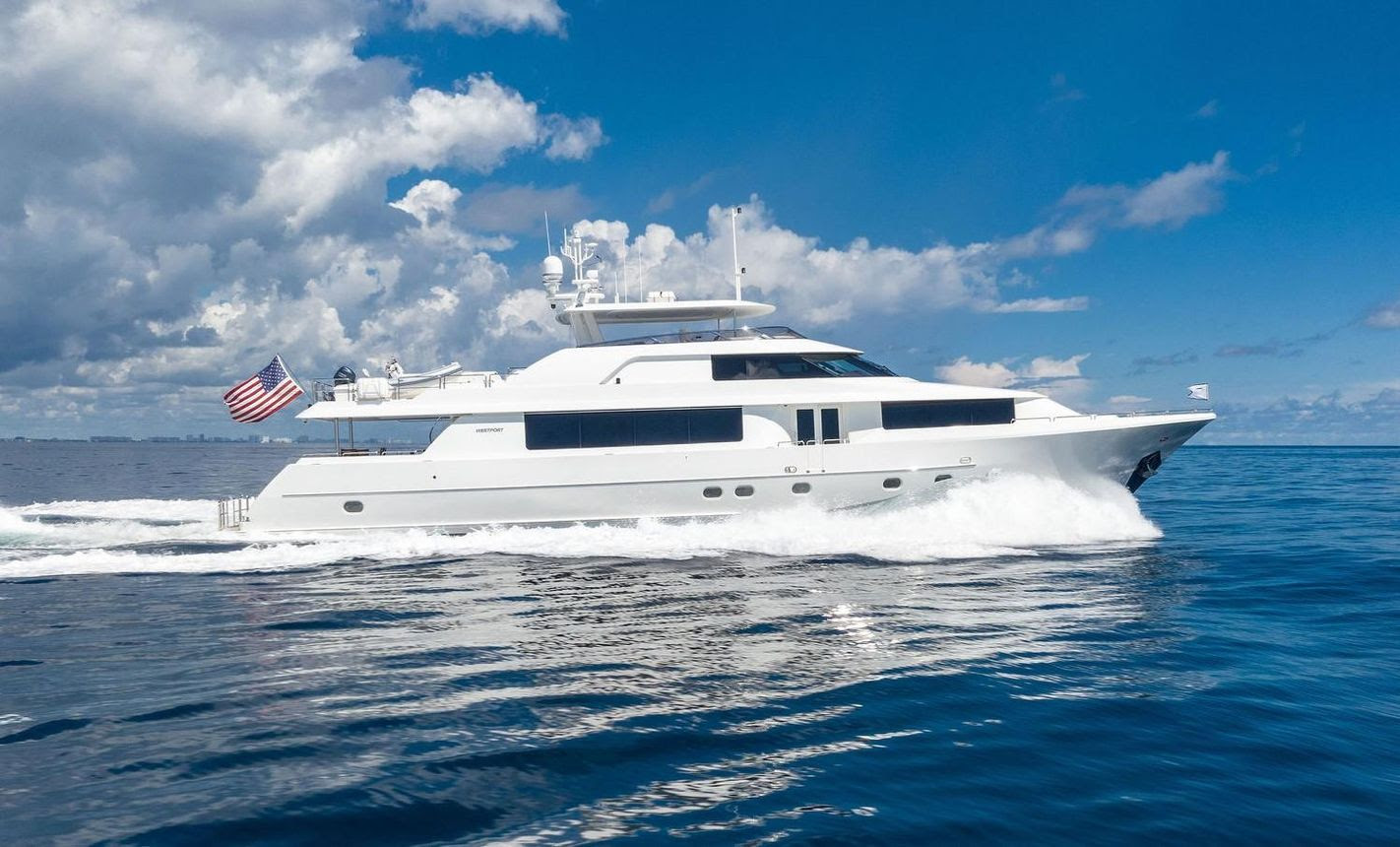
Buying pre owned sportfishing yachts in south florida requires careful research, a clear understanding of your boating needs, and a detailed inspection of the vessel. While a yacht may look impressive during a viewing, its condition, maintenance history, onboard equipment, and previous use can influence whether it is the right purchase.
South Florida offers buyers access to a varied boating market, including sportfishing yachts, offshore fishing boats, and center consoles. However, every pre owned vessel has its own characteristics. Two boats of the same model and year can differ considerably in maintenance, equipment, operating hours, and overall condition.
Therefore, buyers should look beyond the asking price and exterior appearance. Reviewing service records, examining the hull and engines, testing onboard systems, and arranging a professional marine survey can provide a clearer picture of the boat.
This checklist explains what to inspect before making an offer and how to compare potential purchases more carefully.
1. Review the Yacht’s History and Maintenance Records
Before arranging a detailed inspection, ask the seller for the vessel’s available ownership and maintenance records. These documents can help establish how the boat has been used and what work has been completed.
Check Previous Ownership
Ask how long the current owner has had the yacht and whether the boat has changed hands several times. Previous ownership alone does not determine quality, but the available history can help you understand the vessel’s background.
Also, ask about any known accidents, storm damage, flooding, major repairs, or substantial modifications. Where possible, request supporting records rather than relying exclusively on verbal explanations. Explore Palm Beach Yacht Sale to discover available pre-owned boats and learn more about yacht sales options in South Florida.
Examine Service Documentation
Request available maintenance records for the engines, generator, electrical systems, and other major components. Pay attention to routine servicing, replacement parts, and repairs that could affect future ownership costs.
A well organised service history can help you identify patterns and outstanding maintenance requirements. However, incomplete documentation does not automatically mean that a boat is unsuitable. It simply creates questions that should be investigated before proceeding.
2. Inspect the Hull, Deck, and Structural Condition
The hull and deck are important inspection areas because structural defects can affect a vessel’s safety, usability, and maintenance requirements.
Begin with a visual walkthrough. Look for visible cracks, impact damage, unusual repairs, blistering, and signs of water intrusion. Examine accessible areas around fittings, hatches, windows, and the transom.
Key Areas to Examine
- Hull: Look for visible damage, suspicious repairs, or deterioration that needs further assessment.
- Deck: Check for soft spots, damaged surfaces, loose fittings, and signs of water intrusion.
- Cockpit: Examine the flooring, seating, storage compartments, and visible fittings.
- Hatches and windows: Look for damaged seals and evidence of leaks.
- Bilge: Check accessible areas for standing water, corrosion, residue, or unexplained leakage.
These checks can reveal potential concerns, but appearance alone cannot establish the complete structural condition of a yacht.
Consequently, buyers should arrange an independent marine survey. A qualified surveyor can assess the vessel more thoroughly and recommend additional investigation where necessary.
3. Evaluate the Engines and Mechanical Systems
Engine condition deserves particular attention when purchasing a pre owned sportfishing yacht. Major mechanical repairs can affect the overall cost of ownership, so buyers should understand the condition of the propulsion system before making an offer.
Review Engine Hours and Service Records
Ask for the recorded operating hours of each engine. Then compare those figures with the available maintenance records.
Engine hours provide useful information, but they should not be considered in isolation. A boat with relatively low hours may still need attention if it has been poorly maintained or stored without appropriate care. Similarly, higher engine hours do not automatically indicate that an engine is in poor condition.
Request records of routine servicing, cooling system maintenance, and significant repairs. Where appropriate, arrange a professional mechanical inspection to assess the engines beyond their visible condition.
Inspect the Generator and Other Equipment
Sportfishing yachts may have generators and additional mechanical systems. Their configuration varies by vessel, so confirm which components are installed and included in the sale.
Ask about generator operating hours, maintenance, and known issues. Also, inspect accessible pumps, steering components, hoses, and connections for visible deterioration or leakage.
If a concern arises during the walkthrough, document it and ask a qualified professional to investigate it before you proceed.
4. Test Electronics and Fishing Equipment
The condition of a sportfishing yacht’s electronics and fishing equipment can influence how well it suits your intended activities. However, equipment varies between vessels, even within the same model range.
Check Navigation and Communication Systems
Ask the seller to identify the equipment included in the sale. Where practical, test the operation of installed systems, including:
- Chartplotters and navigation displays.
- GPS and communication equipment.
- Radar and sonar, where fitted.
- Autopilot systems, where installed.
- Electrical controls and battery monitoring.
- Lighting, pumps, and powered accessories.
Confirm that the equipment powers on and responds to its controls. Ask whether any systems need repair, replacement, or servicing.
Examine the Fishing Setup
Next, consider the fishing equipment that matters most to your plans. Depending on the vessel, this may include rod holders, livewells, outriggers, bait systems, cockpit storage, and other fishing related fittings.
Check the visible condition of the equipment and request an appropriate demonstration where possible. If you intend to use a particular feature regularly, make its condition part of your inspection priorities.
Also, confirm which accessories are included in the sale. Equipment shown in photographs or used during a viewing should not automatically be assumed to be part of the purchase agreement.
5. Check Fuel, Plumbing, and Electrical Systems
A yacht’s supporting systems deserve the same attention as its engines and hull. Problems with fuel delivery, plumbing, batteries, or electrical connections may not be obvious during a brief viewing.
Fuel and Plumbing
Ask about the fuel system’s maintenance history and any previous repairs. Look for visible leaks, damaged hoses, loose fittings, or unusual fuel odours.
Check accessible plumbing connections and test suitable freshwater systems, toilets, and pumps where fitted. Any suspected leak or fuel system problem should be investigated by a qualified professional.
Batteries and Wiring
Inspect accessible battery compartments for corrosion, damaged cables, loose connections, or signs of overheating. Ask about battery age and any recent electrical work.
If the vessel has undergone significant modifications, request available documentation. Unclear wiring or unexplained electrical changes should be assessed before the purchase moves forward.
6. Arrange a Marine Survey and Sea Trial
A visual inspection provides a starting point, but it cannot replace a professional assessment. Before making a final commitment, consider an independent marine survey, a suitable mechanical inspection, and a sea trial.
What a Marine Survey Can Establish
The survey’s scope depends on the vessel and the agreed inspection. It may cover the hull, deck, accessible structural areas, onboard systems, and installed equipment.
Ask the surveyor to explain any limitations and identify issues that need specialist investigation. Review the findings carefully, distinguishing between cosmetic concerns, routine maintenance, and defects that may affect safety or require substantial repairs.
Where necessary, obtain repair estimates before deciding whether to proceed or revise your offer.
What to Observe During a Sea Trial
A sea trial allows the vessel to be assessed under operating conditions. Subject to the boat’s condition and the agreed arrangements, it can help evaluate engine operation, steering, gauges, vibration, and selected onboard systems.
Pay attention to warning indicators, unusual noises, overheating, excessive smoke, or unexpected handling behaviour. Record any concerns and ask the appropriate professional to investigate them.
A satisfactory sea trial does not guarantee that every component is free from defects. However, it provides useful information when considered alongside the survey and mechanical inspection.
7. Compare the Asking Price With the Yacht’s Condition
Once you have gathered the inspection findings, compare the asking price with the vessel’s condition, equipment, age, maintenance history, and likely repair requirements.
A lower priced boat may require significant maintenance. Meanwhile, a higher priced vessel may still have outstanding issues that affect its overall value.
Use the following checklist to organise your findings before making an offer.
Inspection area | What to review | Recommended next step |
Ownership history | Previous owners and available records | Clarify missing information |
Hull and deck | Visible damage, cracks, leaks, and repairs | Arrange a professional survey |
Engines | Operating hours and service history | Request mechanical inspection |
Generator | Operating hours and maintenance | Confirm condition and servicing needs |
Electronics | Navigation systems and installed equipment | Test operation and confirm inclusions |
Fishing equipment | Fittings, livewells, and other installed accessories | Check condition and functionality |
Fuel and plumbing | Visible leaks and damaged components | Investigate concerns professionally |
Documentation | Ownership records and vessel identification | Verify paperwork before closing |
Asking price | Condition and likely repair costs | Compare the full purchase commitment |
This table is a practical starting point, not a substitute for a vessel specific inspection. The checks required will depend on the boat’s design, equipment, age, and intended use.
8. Compare Specific Models Carefully
Buyers sometimes begin their search with a particular manufacturer or model in mind. Nevertheless, the model name alone does not establish whether an individual boat is a suitable purchase.
Searching for a Viking 54 Open
If you are researching a viking 54 open for sale in florida, verify the exact model, year, configuration, engine package, installed equipment, and service history of the vessel being considered.
Do not assume that every boat carrying the same model name has identical features or condition. Instead, compare the actual specifications and inspection findings for each candidate.
Availability should also be confirmed before making plans around a specific listing.
Considering a Used Bahama 41
Buyers searching for a used bahama 41 for sale should apply the same approach. Review the individual vessel’s ownership history, engine condition, electronics, equipment, and maintenance records.
Consider how the layout and installed features suit your intended fishing activities. Then compare the asking price with the vessel’s present condition and any work that may be required.
A previous or sold listing should not be treated as confirmation that a boat is currently available.
9. Verify Documents and Purchase Terms
Before committing to a purchase, review the vessel’s ownership documents and confirm that its identification details match the relevant records.
Ask about registration, title documentation where applicable, and any known liens or unresolved ownership issues. Obtain appropriate verification rather than relying solely on verbal assurances.
The purchase agreement should clearly identify the boat, agreed price, included equipment, deposit arrangements, and other relevant conditions.
If your offer depends on a satisfactory survey, mechanical inspection, or sea trial, ensure that these conditions are documented clearly before signing. Where necessary, seek professional advice about the transaction and its paperwork.
10. Work With a Broker and Plan Your Budget
Working with a used boat broker in south florida may help buyers organise viewings, compare vessels, and understand the steps involved in a purchase. Depending on the agreed services, a broker may also help coordinate inspections, negotiations, documentation, and transaction logistics.
Before engaging a broker, clarify the services provided, how compensation works, and whom the broker represents.
You should also consider the costs of ownership beyond the asking price. These may include:
- Insurance and storage.
- Fuel and routine maintenance.
- Survey and inspection fees.
- Engine and generator servicing.
- Repairs and replacement equipment.
- Registration and other applicable costs.
The actual expenses depend on the vessel and how you intend to use it. Therefore, prepare a realistic budget before making an offer rather than basing your decision on the purchase price alone.
Conclusion
Buying a pre owned sportfish yacht requires careful consideration of the vessel’s condition, maintenance history, equipment, paperwork, and asking price. A structured inspection helps you identify questions that need answers before you commit to the purchase.
When comparing pre owned sportfishing yachts in south florida, review the available records, inspect the hull and mechanical systems, test the installed equipment, and arrange a professional marine survey. A sea trial and suitable mechanical assessment can provide additional information about the vessel’s condition.
Whether you are comparing different sportfishing yachts or researching a specific model, confirm the boat’s current availability and specifications before making an offer. Consider the expected cost of ownership alongside the initial price, and ensure that the purchase terms reflect the findings of your inspections.
For assistance exploring yacht sales options and discussing your requirements, contact us today.